


The Problem of Waiting Too Long
Tech Tips from Chris Pack at Mount Airy Toyota

Many drivers treat auto inspections like an afterthought — “I’ll schedule it when something breaks.” But the reality is, by the time symptoms are obvious (squealing brakes, pulling, fluid leaks), damage is often deep enough to require expensive repair or replacement. A multi-point inspection catches small issues—worn pads, fluid level drops, loose components—before they evolve into bigger problems. The cost of treating early warning signs is negligible compared to full part replacement or safety failures. Set your service appointment today!
RATS! RATS! RATS!
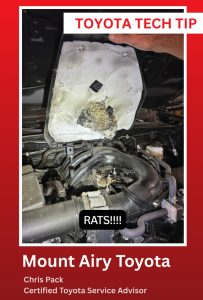
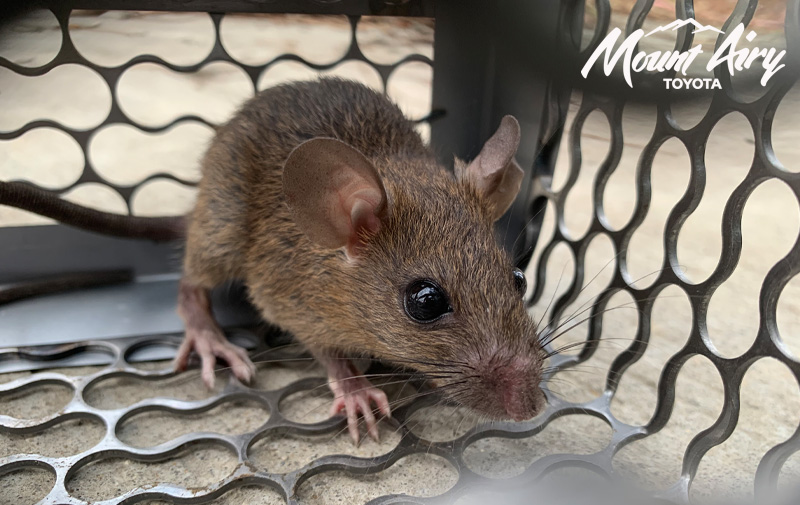
Rodents are small, but the damage they leave behind inside a car engine can be surprisingly big. Warm engine bays attract rats and mice looking for shelter, and once they settle in, chewing becomes inevitable. Wiring harnesses, hoses, and insulation are prime targets because rodents use them to sharpen their teeth. What may look like a minor bite mark can quickly escalate into warning lights, electrical issues, or even a car that won’t start. The cost of replacing chewed wiring harnesses often shocks vehicle owners, since what seems like a small problem usually requires major repairs.
Why the Air Filter Area Matters Most
One of the first places rodents tend to show up is in the air filter box. It’s an easy entry point, and the filter material makes convenient nesting material. The bigger danger, however, comes from rodent droppings. Rat feces inside or around your air filter can contaminate the air moving into your cabin and circulate harmful bacteria and allergens into the vehicle. Beyond the health risk, droppings and debris can clog the filter, reducing airflow and hurting engine performance. This is why routine checks of the air filter are so important—they’re often the first line of defense against a bigger infestation.
Catching the Problem Early
The best way to avoid expensive repairs and potential health hazards is through regular vehicle service. Trained technicians know where to look for early signs of rodent activity, from chewed wiring to nests near the intake. If caught early, rodents can be deterred before they make it past the air filter and into critical components. Waiting too long can turn what could have been a simple cleaning into a costly replacement job. By keeping up with inspections, you not only protect your engine but also ensure the air you breathe inside your car stays safe and clean.
Why Brakes & Pads Deserve Extra Attention
Brakes and pads are among the most critical components for safe driving — and also among the ones that deteriorate gradually. Wear can be uneven, pads may degrade without you hearing or feeling it right away, and brake fluid leaks can sneak up. During a multi-point inspection, technicians closely examine rotor thickness, pad depth, fluid levels, and hardware integrity. They can spot unusual wear patterns, impending failures, and other red flags well before you ever need to hit the brakes hard in an emergency.
The Hidden Benefits That Go Beyond Safety
Of course, safety is paramount — but early detection brings a cascade of benefits. You’ll enjoy lower repair costs, improved fuel efficiency (no dragging or misaligned parts), and enhanced vehicle longevity. Regular inspections also build trust between you and your auto shop; you’re not paying for “surprises,” you’re paying for maintenance. In the long run, a proactive maintenance mindset means fewer breakdowns, fewer roadside emergencies, and more confidence behind the wheel.