Blog / Electric Cars

How BEVs Could Be the Future (And Why They May Not Be)

Electric Cars
Demand for plug-in electric vehicles (EVs) is growing, though they still only claimed about 2% of the U.S. market share in 2018 (global market share is similar). That number includes battery-operated vehicles (BEVs) and plug-in hybrid electric vehicles (PHEVs).
The thought on everyone's mind: is this the future of driving?
The primary difference between the two types of vehicles is that a BEV runs solely off the energy from the vehicle's battery, while a PHEV uses the battery alongside a fuel tank that kicks in at various intervals. There would be clear benefits to drivers and the environment if BEVs were to become mainstream. However, there are currently just too many drawbacks to know how successful the BEV market can become. While many proponents are hopeful that BEVs will eventually become commonplace, the future of these vehicles remains largely unknown due to a number of unanswered questions and issues yet to be resolved. For instance, how will drivers have access to charging their vehicles? Will there be convenient charging stations like there are gas stations? Also, can we expect improvements to be made with batteries in the future? This article will explore the potential advantages of a BEV-driven world and the challenges that BEV drivers currently face, and we'll take a look at some of the main questions and issues that are too prevalent to be ignored.  

ADVANTAGES OF A BEV-HEAVY MARKET

Even though we are still in the early stages of developing electric vehicles, BEVs currently come with many benefits, and it's not hard to see how these benefits could become even more impactful as technology improves. Lower Operating Costs For one, it's much cheaper to charge a BEV than it is to run a traditional vehicle off of gas; it's actually about one-third of the cost. Also, a BEV contains very few moving parts compared to a traditional vehicle, which means it's less expensive to maintain. For instance, with a BEV you don't have to worry about servicing a starter motor, fuel injection system, exhaust system, or radiator, among many other components. Though many improvements need to be made to these vehicles' batteries, most BEV manufacturers provide an eight-year warranty on their batteries even now. Environmental Benefits Some of the most obvious advantages are those that benefit the environment. BEVs have virtually no exhaust emissions, which means they emit much less pollution than traditional vehicles do. And if you use renewable energy for charging, greenhouse gas emissions are reduced even lower. For example, rather than charging from the grid, you can use a polar PV system while there's daylight. If you must use the grid, you can still minimize greenhouse gas emissions by purchasing green power from your electricity company. Even the manufacturing of some of the top BEVs is eco-conscious. For instance, the Ford Focus Electric and Nissan Leaf are largely made of recycled and bio-based materials, such as plastic bags, water bottles, and second-hand car parts and home appliances. Health and Safety Along with the financial and environmental benefits, BEVs can help improve our health and safety. Less pollution from exhaust means better air quality, which can reduce health problems caused by pollution, and BEVs create much less noise pollution than traditional vehicles. Also, since BEVs typically have a lower center of gravity, they are less likely to roll over. Furthermore, fires aren't as much of a risk, and the body structure of BEVs can prove more durable in a collision.  

DISADVANTAGES OF CURRENT BEV MARKET

Of course, there are also drawbacks to BEVs. While they have enjoyed success, it has been with a limited group of consumers. Charging Times Tesla has led innovation in the BEV market in many ways, including its Supercharger networks, which can charge vehicles in about 30 minutes. However, that's still a lot more time than it takes to fill the gas tank of a traditional vehicle. What's more, scientists behind the efforts of manufacturers like Tesla and Toyota have their doubts about the possibility of reducing charging times enough to satisfy mainstream consumers. And since Toyota has been in the electric vehicle game for over 20 years, that speaks to the magnitude of this problem. Electricity Generated Another prevalent issue with BEVs is that they require electricity, which must come from somewhere. In states like California, most of the electricity comes from natural gas supplies, but states like West Virginia use coal to generate up to 90% of its electricity. Overall, about 38% of electricity in the United States is generated by coal. This begs the question: just how clean and green are electric cars? In short, it depends on where in the country you are driving. Furthermore, the lithium-ion batteries used by manufacturers like Tesla contain components that can potentially harm the environment by way of ecological toxicity and contributing to global warming. Limited Categories Finally, you don't see any BEVs that fall under the heavy-duty truck category. This is mainly because the technology isn't workable for truck applications—and it won't be anytime soon. This is a serious problem because there are 2 to 3 million heavy-duty trucks on the road in the U.S. Much of the American economy depends on Class 8 commercial trucks, which guzzle 30 times more gas than the average automobile (about 35 billion gallons each year). It's difficult to see how BEV technology could advance enough to accommodate the heavy-duty truck category in the foreseeable future. However, if such trucks were able to be produced in an electric format, it could drastically decrease oil dependence and significantly benefit the trucking industry financially.  

THE IMPORTANCE OF CHARGING STATIONS

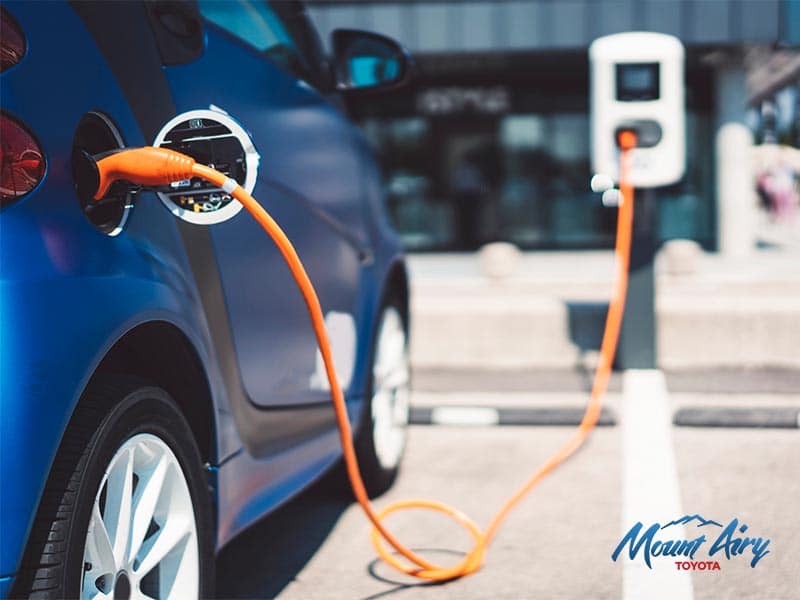
There are currently about 20,000 public charging stations and 57,000 outlets for plug-in electric vehicles in the U.S. Here's the thing: 4,800 of those stations and 18,200 of those outlets are found in California. Not surprisingly, California has also accounted for almost half of all BEV sales in the country since 2011. If there is hope for the BEV market to experience continued growth—and especially if battery-operated cars are to become mainstream—there must be more charging stations created throughout the country. Charging Station In a sense, the future popularity of BEVs in any particular area of the country depends on the accessibility of charging stations in that area. However, it gets tricky because states that don't sell a lot of BEVs are less inclined to invest in public charging stations, but if they never decide to invest, then their sales will probably not improve by much. Therefore, there must be a break in the cycle at some point if BEVs are to become commonplace in the future. Sure, there are some people who could charge their BEV at home, but that's a limited category of consumers. Without an adequate number of charging stations open to the public, much like gas stations are, BEVs will never reach the mainstream. To put it into perspective, there are approximately 168,000 public gas stations in the U.S.—more than eight times the number of charging stations. The majority of consumers will never make the jump to BEVs until that gap is dramatically closing.  
THE ROLE OF BATTERIES

As essential as charging stations are for the future of BEVs, batteries may play an even more important role. And BEV batteries need to undergo a lot of development if electric vehicles are to become commonplace. Battery Anxiety The term "battery anxiety" is often used in reference to one running out of battery power on their smartphone. We've all seen the symptoms: a family member searching frantically for a charger cable; a co-worker turning their desk over, only to ask you if they can borrow a charger; even a stranger asking if they can PowerShare with your phone. Chances are you've experienced the symptoms yourself. In a study administered by electronics manufacturer LG, 9 out of 10 people showed signs of battery anxiety. The same logic is behind the term "range anxiety" in reference to electric vehicles. If such a phenomenon has that kind of grip on people with smartphones, you can imagine the impact of this anxiety when it comes to driving a car. Range anxiety is one reason why many consumers won't even consider going the BEV route. Most BEVs allow drivers to go about 100 miles fully charged (the Tesla Model S is an exception, as it allows drivers around 250 miles). This is another reason why the scarcity of charging stations is such a severe problem. Nonetheless, many manufacturers have pledged to develop BEVs that will hit about 200 miles per charge. That would surely make a big difference, but it's still a far cry from a conventional vehicle that can go 300 to 400 miles on a full tank of gas. The Problem with Lithium-Ion Batteries Most newer electric cars these days are powered by lithium-ion batteries. These batteries are not without their advantages, such as the fact that they are light-weight (as compared to lead-acid batteries), relatively low-maintenance and can last for 8-10 years. However, there are some serious issues to consider as well. For example, lithium-ion batteries are expensive. While a high-end lead-acid battery—as used in most traditional vehicles—costs around $120, a typical lithium-ion car battery costs in the $1,700 range. Also, lithium is highly reactive. This means if they are damaged or installed incorrectly, they can explode. Moreover, the cells used in lithium-ion batteries are made with rare-earth metals; the supply of these metals is limited, and they're dangerous to mine. Most workers who are tasked with retrieving rare-earth metals are laboring in harsh conditions, to say the least (and in some cases this means illegal child laborers). The Prospect of Flow Batteries Enter a new hope for BEV proponents: the "flow battery." Scientists are currently working on this new type of refillable battery that they hope will replace lithium-ion as the commonplace battery in BEVs. The strongest appeal of the flow battery is that it solves most of the biggest problems consumers have with BEVs. Depending on the model of vehicle and the power source used, it can take anywhere from 30 minutes to 10 hours to fully charge a lithium-ion battery in a BEV. If the flow battery is a success, it will allow drivers to empty their battery liquid and pump in new liquid in minutes—roughly the same time it would take to fill a gas tank. What's more, since the basic infrastructure is already there, it would be easier for gas stations everywhere to be retrofitted to pump this battery liquid in place of gas. This means that the scarcity of charging stations would no longer be a problem—thus, no more range anxiety. There is still a lot of progress to be made in the development of flow batteries, but it's possible we will see some form of them in the next three years.  

THE BOTTOM LINE

It's easy to see how drivers and the environment would benefit from a BEV-driven market. All things considered, they are a more eco-conscious alternative to traditional vehicles, they are cheaper to operate, and they offer health and safety benefits. That said, BEVs have their share of drawbacks as well. If BEVs are ever to enter the mainstream, more charging stations and better batteries must be made available. It looks like the work is being done to solve these issues, but only time will tell whether or not BEVs are indeed the future.  

Posted in:

Related Posts

Toyota vehicles are known for their impressive resale value.

Why a Toyota is a Smart Investment in 2025

Looking for a reliable, durable vehicle that holds its value? Look no further than a Toyota. Toyota has a long-standing reputation for quality and dependability, and that translates to excellent resale value. Let's explore why a Toyota is a smart choice for your next car. Toyota's Legacy of Durability and Reliability It's not just hype – Toyotas are built to last. A significant percentage of Toyotas sold in the past two decades are still on the road today. This impressive track record speaks volumes about their durability. When you buy a Toyota, you're investing in a vehicle designed to withstand the test of time, saving you money and headaches down the road. Less time in the shop means more money in your pocket. Resale Value: A Key Advantage Toyota vehicles are known for their impressive resale value. When it comes time to trade in or sell your Toyota, you can be confident you'll get a fair price. This is due to a combination of factors: their reputation for reliability, their longevity, and the consistent demand for Toyota models. What Contributes to Toyota's Value? Several factors contribute to Toyota's strong resale value: Brand Reputation: Toyota has consistently been ranked among the most reliable car brands. This trust, built over decades, is a major selling point. Consistent Improvement: Instead of radical redesigns, Toyota focuses on incremental improvements, refining existing models and maintaining a familiar aesthetic. This "if it ain't broke, don't fix it" approach resonates with buyers. Popularity: Toyota's popularity plays a significant role. Recognizable models with established track records hold their value well. Safety First: Toyota Safety Sense Toyota prioritizes safety, and many models come standard with Toyota Safety Sense, a suite of advanced safety features designed to protect you and your passengers. While specific features may vary by model and year, these systems often include: Pre-Collision System with Pedestrian Detection: Helps mitigate or avoid collisions with vehicles or pedestrians. Lane Departure Alert: Alerts you if you unintentionally drift from your lane. Automatic High Beams: Optimizes nighttime visibility by automatically switching between high and low beams. Dynamic Radar Cruise Control: Maintains a safe following distance by automatically adjusting your speed. Award-Winning Lineup Toyota's lineup has consistently earned awards and accolades. While specific awards change annually, Toyota models are frequently recognized for reliability, safety, and value. Check out the latest awards and recognitions on Toyota's official website. Beyond the Basics: Features that Add Value Toyota vehicles offer a range of features that enhance their value. From comfortable interiors to advanced technology, there's something for everyone. Features like smartphone integration, advanced infotainment systems, and driver-assist technologies make the driving experience more enjoyable and convenient. Be sure to check the specific features available on the model you're interested in. Affordability and Long-Term Savings Toyota aims to offer competitive pricing across its lineup. Combined with excellent fuel economy and lower maintenance costs due to their reliability, Toyota ownership can lead to significant long-term savings. Investing in a Toyota: A Smart Choice Whether you're looking for a sedan, SUV, truck, or hybrid, Toyota offers a wide range of vehicles known for their reliability, durability, safety, and excellent resale value. Visit your local Toyota dealer to explore the latest models and find the perfect Toyota for your needs. Do your research, compare models, and take a test drive to experience the Toyota difference firsthand.

Mount Airy Toyota’s Comprehensive Guide to Advanced Driver Assistance Systems (ADAS)

Mount Airy Toyota’s Comprehensive Guide to Advanced Driver Assistance Systems (ADAS)

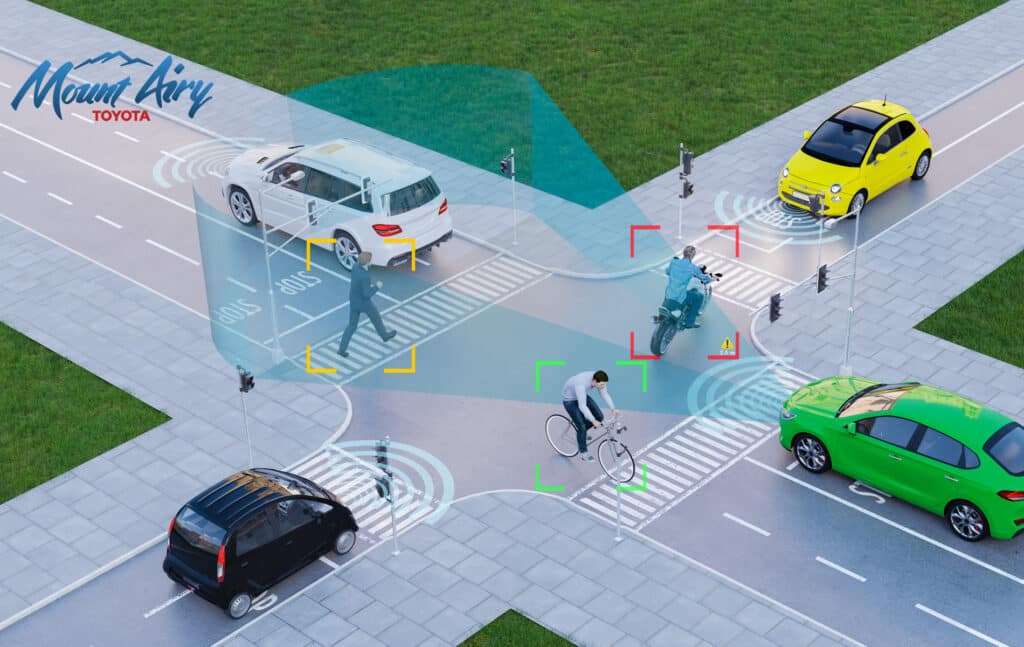
Toyota continues to lead the way with its commitment to safety and innovation in the ever-evolving automotive technology landscape. One essential advancement in the modern era is the implementation of Advanced Driver Assistance Systems (ADAS) — a suite of cutting-edge technologies designed to enhance vehicle safety, improve driving experience, and pave the way for a more connected and autonomous future. Below, Mount Airy Toyota explains ADAS more thoroughly, delves into which Toyota vehicles boast these systems in 2024, and more. Understanding ADAS Advanced Driver Assistance Systems, commonly known as ADAS, refers to a set of technologies integrated into vehicles to assist drivers and boost overall safety. These systems leverage sensors, cameras, radar, and other advanced technologies to monitor the vehicle's surroundings, detect potential hazards, and provide timely alerts or interventions to prevent accidents.   ADAS features many functionalities, including adaptive cruise control, lane departure warning, automatic emergency braking, blind-spot monitoring, and more. It employs a sophisticated blend of hardware and computer algorithms to enhance vehicle safety and help drivers in various aspects of their journeys. The primary goal of ADAS is to prevent accidents by providing real-time information about the vehicle's surroundings and potential hazards. Here's the gist of how it works: Sensors and Cameras: ADAS relies on an array of sensors strategically placed around the vehicle. These sensors include radar, ultrasonic sensors, and cameras. Cameras are crucial for visually recognizing the environment and detecting objects, lane markings, and traffic signs. Data Collection and Processing: The sensors continuously collect data from the vehicle's surroundings to capture information about the position of nearby vehicles, pedestrians, lane markings, and potential obstacles. Onboard computers then process this raw data in real-time. lgorithms and Decision-Making: Advanced algorithms analyze the processed data to make sense of the environment. These algorithms are designed to recognize patterns, identify objects, and assess potential risks. The system then makes decisions based on this analysis, determining whether intervention is necessary to avoid a collision or improve overall driving safety. Alerts and Interventions: ADAS can provide various notifications or interventions depending on the detected risks. For instance, if the system senses an imminent collision with a vehicle ahead, it might trigger automatic emergency braking to reduce the severity of impact. Lane departure warning systems can alert the driver if they detect unintentional lane drifting, and some systems can even assist steering to keep the vehicle within its lane. Adaptive Functionality: ADAS features often adapt to different driving conditions. Adaptive Cruise Control (ACC), for example, can automatically adjust the vehicle's speed to maintain a safe following distance from the car ahead, facilitating a more relaxed driving experience on highways. ADAS combines input from various sensors, cameras, and radar systems with sophisticated algorithms to enhance driver awareness and intervene when necessary. It ultimately makes driving safer and more enjoyable. ADAS vs. Toyota Safety Sense (TSS) ADAS is a general term encompassing various safety technologies, and Toyota Safety Sense is Toyota's specialized implementation of ADAS that brings a specific set of safety features to enhance the driving experience for Toyota owners. ADAS often includes automatic emergency braking, blind-spot monitoring, parking assistance, and more. Other automakers may have their own variations of ADAS with unique features and branding that reflect their commitment to safety and innovation. Toyota Safety Sense (TSS) Toyota Safety Sense is a comprehensive suite of safety features developed by Toyota to provide extra protection for drivers, passengers, and pedestrians. TSS integrates various ADAS technologies to address different safety aspects; it primarily focuses on collision prevention and mitigation. The TSS package typically includes a combination of the following features: Pre-Collision System (PCS): This feature uses sensors and cameras to detect potential collisions with vehicles or pedestrians ahead. It can then initiate automatic braking or warn the driver to avoid or mitigate the impact. Lane Departure Alert (LDA): LDA alerts the driver if the vehicle unintentionally drifts out of its lane. In some models, it can provide steering assistance to keep the vehicle centered in its lane. Dynamic Radar Cruise Control (DRCC): This technology maintains a set following distance from the vehicle in front by automatically adjusting the vehicle's speed. It offers a more relaxed driving experience, especially in highway traffic. Automatic High Beams (AHB): AHB enhances visibility during nighttime driving by automatically switching between high and low beams based on the presence of oncoming traffic. Blind Spot Monitor (BSM): This feature alerts the driver if there's a vehicle in the blind spot during lane changes, which does wonders for overall awareness and safety. Road Sign Assist (RSA): RSA recognizes traffic sign information and displays it on the vehicle's multi-information display; it essentially informs drivers of speed limits and other important road signs. TSS focuses on a core set of safety features integrated into the vehicle to prevent and mitigate collisions. Whether you're driving a compact sedan, a versatile SUV, or a powerful truck, there's a good chance your Toyota is equipped with some level of ADAS. Which Toyota Models Incorporate ADAS? As of 2024, Toyota has made significant strides in integrating ADAS across its diverse lineup of vehicles. These systems are designed to enhance safety, improve overall driving experience, and pave the way for a future of connected and autonomous driving. Let's take a closer look at some of the Toyota models that feature ADAS: Toyota Camry The Toyota Camry, a staple in the sedan segment, is equipped with an array of ADAS features. Drivers can benefit from technologies like Pre-Collision System (PCS), Lane Departure Alert (LDA), Adaptive Cruise Control (ACC), and more. It’s widely recognized as one of the safest cars for daily commutes and longer journeys. Toyota RAV4 The popular Toyota RAV4 is a versatile and stylish SUV that includes a lot of ADAS features in  a compact form. Automatic High Beams (AHB), Road Sign Assist (RSA), Blind Spot Monitor (BSM), and many other technologies contribute to an elevated driving experience. Toyota Corolla Similar to the RAV4, the Toyota Corolla is a compact vehicle that embraces many ADAS technologies. Features like Lane Tracing Assist (LTA) — which helps keep the vehicle centered in its lane — and Dynamic Radar Cruise Control (DRCC) are integrated into the Corolla's safety suite. High reliability and efficiency ratings also make this car one of the best overall purchases for consumers. Toyota Highlander The Toyota Highlander is a midsize SUV designed for families and boasts a comprehensive suite of ADAS features. With technologies like Rear Cross-Traffic Alert (RCTA) and Bird's Eye View Camera, the Highlander prioritizes safety and convenience for both the driver and passengers. And it looks beautiful on the road! Toyota Tacoma Toyota's durable and capable pickup truck, the Tacoma, is most known for its fantastic blend of ruggedness and style. It also happens to incorporate ADAS to enhance safety on and off the road. Technologies like Pre-Collision System with Pedestrian Detection (PCS w/ PD) and Lane Departure Alert with Sway Warning System (LDA w/ SWS) contribute to a secure driving experience. The modern “Taco” is as safe as it is attractive and functional. Toyota Prius As a pioneer in hybrid technology, the Toyota Prius also embraces ADAS to complement its fuel efficiency. The Prius features Lane Departure Alert with Steering Assist (LDA w/ SA) and Intelligent Clearance Sonar (ICS) for added safety during city driving and parking. Save money on gas while keeping yourself and your passengers secure on the road. Toyota Avalon The Toyota Avalon is a full-size sedan known for its comfort and sophistication. Full-Speed Range Dynamic Radar Cruise Control (DRCC), Automatic High Beams, and a slew of other features contribute to a refined and secure driving experience. This car is classy, safe, and smooth to drive. Toyota Sienna Redesigned as a hybrid minivan, the Toyota Sienna prioritizes safety for families. It includes ADAS features like Front and Rear Parking Assist with Automatic Braking (PA w/ AB) and Road Sign Assist (RSA), which make it a reliable choice for anyone seeking a spacious and secure family vehicle. These are just a few examples of the Toyota models equipped with ADAS in 2024. It's important to note that Toyota continues to innovate and update its lineup, and additional models may feature advanced safety technologies to meet evolving industry standards. Toyota remains committed to integrating ADAS into its vehicles so that drivers across various segments benefit from these sophisticated safety features. TSS technologies contribute to a safer and more enjoyable driving experience whether you're navigating city streets, highways, or off-road terrain. Repairing and Calibrating ADAS As technology continues to play a crucial role in enhancing vehicle safety, your vehicle’s ADAS is integral to your driving experience. These systems are designed for durability and reliability, but there may be instances when repairs or calibrations are necessary. Here are seven things to do if your car's ADAS requires attention. Be attentive to warning signs. Pay close attention to any signs of issues with your ADAS. Unusual error messages on your dashboard, malfunctioning safety features, or minor collisions can trigger the need for repairs or calibration. Ignoring these warnings can compromise your safety on the road. Refer to your owner's manual. Your Toyota's owner's manual is a valuable resource for understanding the intricacies of your vehicle's ADAS. Familiarize yourself with the manual's TSS section to grasp the functions of each system and learn potential troubleshooting steps. A well-informed owner is better equipped to address issues promptly. Contact Mount Airy Toyota Service Center. In the event of ADAS concerns, promptly contact our authorized Mount Airy Toyota Service Center. Our skilled technicians have the expertise and specialized tools required to accurately diagnose and effective resolve ADAS issues. Early intervention can prevent minor problems from escalating. Provide detailed information. When communicating with our service center, provide clear and detailed information about the symptoms or incidents that led to the ADAS malfunction. A precise account helps our technicians assess the situation accurately and expedite the repair or calibration process. In other words, accurate information streamlines the diagnostic process! Trust certified technicians. ADAS repairs and calibrations demand precision and technical knowledge. Trust our certified technicians at Mount Airy Toyota to handle these tasks. They have access to genuine Toyota parts and cutting-edge equipment to ensure your ADAS functions optimally post-repair. Certified technicians guarantee the quality of service that other mechanics cannot. Consider regular maintenance checks. Take a proactive approach by incorporating regular maintenance checks for your ADAS during routine service appointments. These checks can help identify potential issues early on, prevent more significant problems, and keep your ADAS features working reliably. Regular checks contribute to long-term system health. Be patient and stay informed. Depending on the issue’s complexity, ADAS repairs or calibrations may take some time. Exercise patience, and feel free to ask our technicians about the progress. We strive to keep you informed every step of the way to ensure your satisfaction. Anyone driver can tell you that patience and communication contribute to a positive service experience! The Bottom Line Toyota continues to push the boundaries of automotive technology with the widespread integration of ADAS in 2024. These cutting-edge features ultimately contribute to safer roads and redefine the driving experience for car owners. As you embark on your journey with a Toyota vehicle equipped with TSS, remember to stay informed about these systems’ capabilities  and proactively address any repair or calibration needs. With Toyota's unwavering commitment to safety and innovation, the road ahead promises to be exciting and secure. Connect with Mount Airy Toyota today to learn about the vehicles on our lot or schedule a service for your existing model!

Toyota Tundra Pro iForce Hybrid Electric Truck at Mount Airy Toyota, NC

Toyota Tundra iForce: The New Breed of Hybrids at Mount Airy Toyota

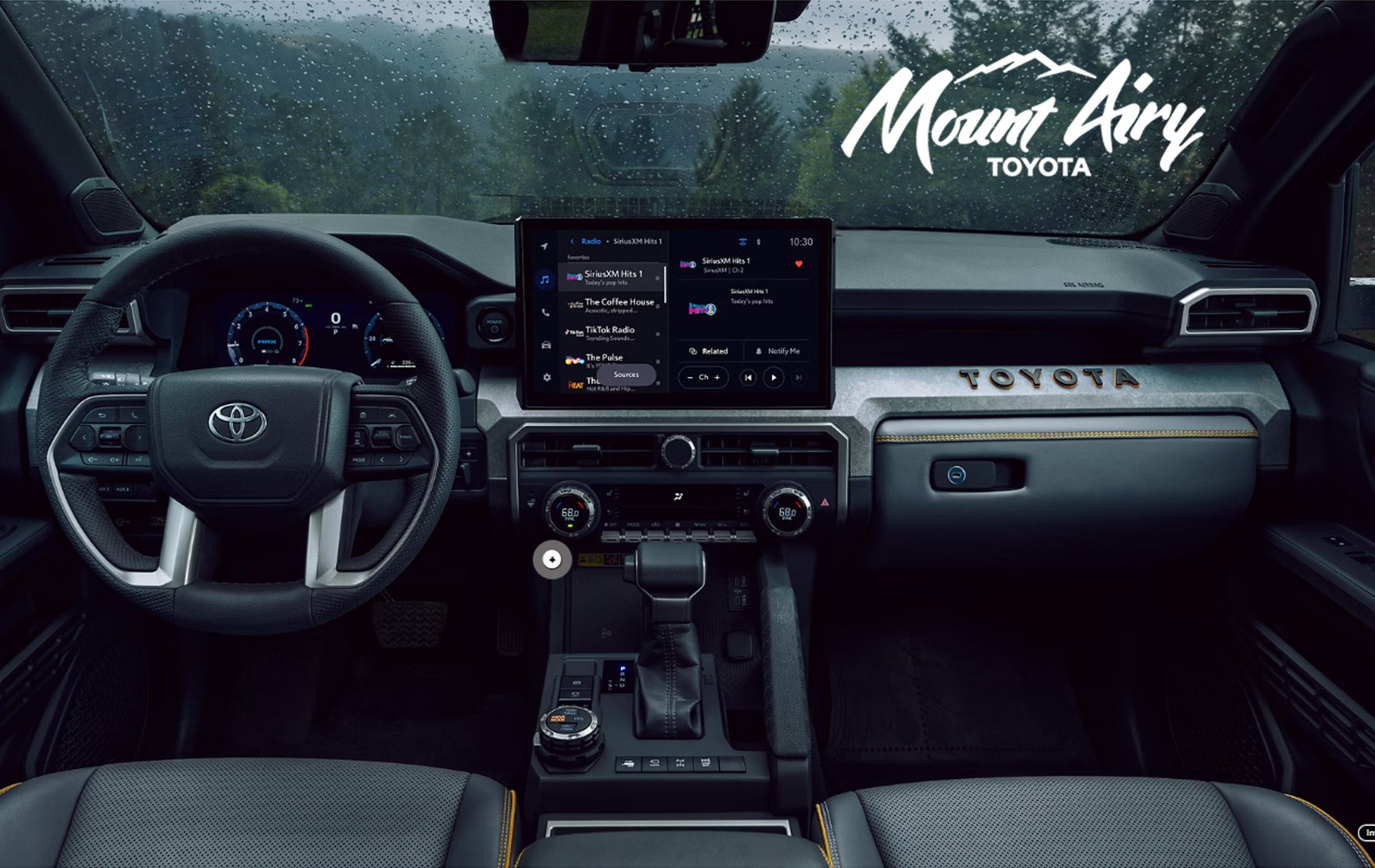
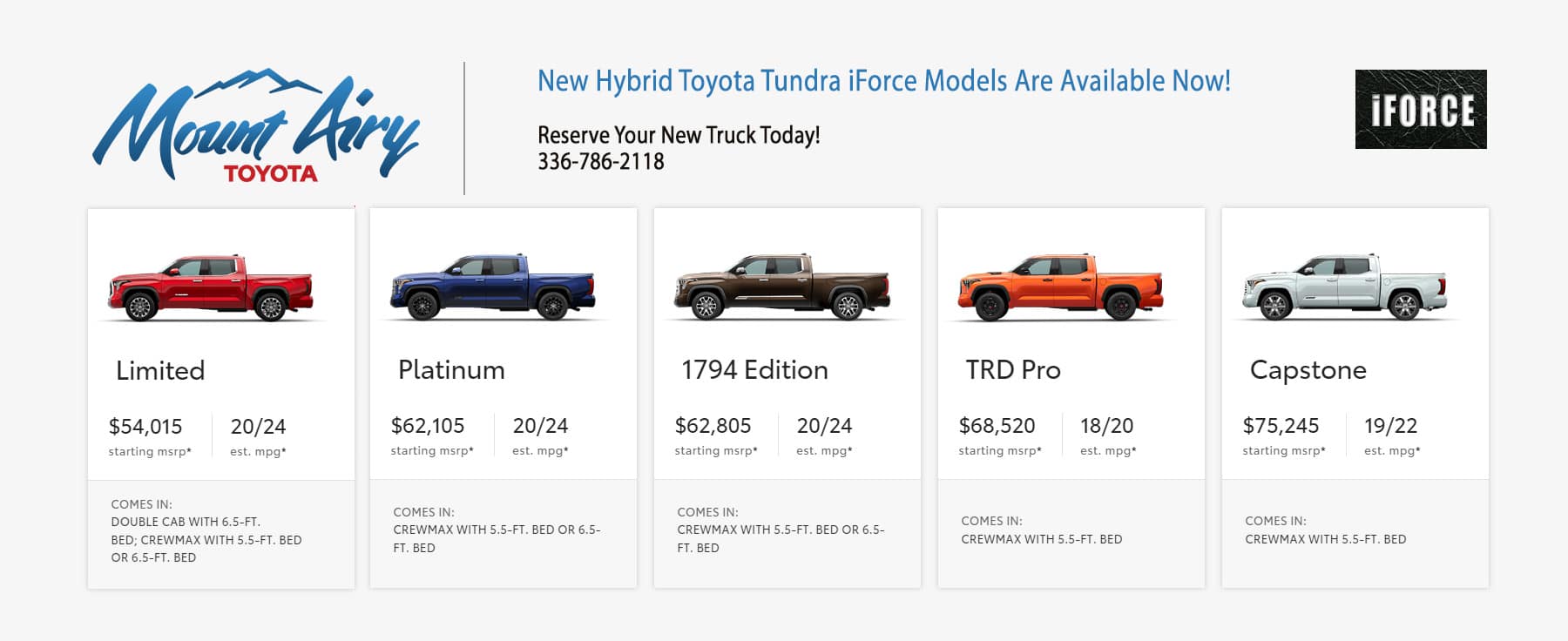
Toyota's 2022 lineup has something for everyone. Sedans like the Toyota Camry and Avalon refine and deliver on the very style of sedan vehicles. Energy efficiency is at the forefront of pioneer models like the Prius, implementing innovative measures along the way. And the GR Supra is guaranteed to scratch that more sporty itch, with speed and performance that’s unmatched. With those examples alone, it's clear, Toyota has a lot to offer prospective car buyers. And if you are in the market for a brand new Toyota from the 2022 lineup, Mount Airy Toyota is the dealership for you. Offering a stacked lineup of models that continue to impress. Still, even more impressive is the new breed of hybrid Toyota has unleashed in its 2022 lineup — The Toyota Tundra iForce. The Tundra iForce has succeeded in merging fuel efficiency and sustainability with high power and performance, and the result is an iForce that does what no other modern truck can. But don’t take our word for it, let’s look at a breakdown of the Tundra iForce and learn what sets it apart. Toyota’s Legacy of Hybrid Innovation Only a few years ago, it seemed impossible that an electric truck could equal or be more powerful than traditionally powered trucks but today’s Toyota Tundra surpasses expectations.  Toyota has made investments in hybrid technology that has led to the creation of the Tundra iForce and made the impossible, possible. This trailblazing of the hybrid world isn’t unknown to Toyota. The Toyota Prius was the world’s first mass-produced hybrid vehicle and revolutionized the entire automotive industry. For many, the innovation of hybridization was destined to stay with smaller vehicles. Though as the years progressed and the desire for hybrid vehicles grew, the questions centered on a hybrid truck only increased. Though just what that would look like was unclear. Toyota was no stranger to building a vehicle that faced unknowns. Take for example the Prius’ introduction. Toyota set the framework for what consumers wanted in a hybrid passenger car — and now they’ve done the same with a high-performance hybrid truck. Our customers are smart shoppers.  They know that they want, and they want electric options.  The demand for hybrid trucks is high because our customers know these hybrid vehicles are great money savers and, as always with the Toyota brand, they hold their value. The Tundra iForce stands apart, exceeding expectations, and claiming its place as a technological breakthrough and it’s ready to deliver for your family. Powerful Design Features The Tundra iForce reaches its unique level of power by utilizing an electric motor and V6 engine in tandem. This use of dual motors is what allows the Tundra to perform at such high levels, outpacing other trucks on the market and resulting in more power than a regular V8 engine. This setup is known as the i-FORCE MAX one-motor system and is certain to change the entire world of hybrids. You can find the electric motor nestled between the traditional engine and transmission, a necessary placement to achieve the level of power Toyota engineers were seeking. The electric motor helps supplement the engine when required, and at certain times the motor will shoulder the whole power load, resulting in peak fuel efficiency. Most importantly, switching between the two engines is virtually unnoticeable to the driver, with the only result being a powerful and responsive driving experience. The Tundra iForce puts its power to use, with 437 horsepower and 583 pound-feet of torque. It’s capable of hauling up to 1,665 pounds in its payload and can tow up to 11,450 pounds with confidence. To summarize, the powertrain system present in the Tundra iForce is a shining example of a vehicle that refuses to trade outstanding power and torque for better fuel efficiency. A Look On The Inside The Tundra iForce doesn’t relegate its top qualities to the hybrid i-FORCE MAX, it also has a lot to offer drivers on the inside. Standard in every iForce, owners will find a system compatible with wireless apple or android play, an 8-inch audio touchscreen with a robust speaker system to boot, advanced backup camera technology, trailer sway control, and automatic climate control to keep you comfortable. All of these features can be found in every Tundra iForce but aren’t exhaustive of every bell and whistle that’s standard, there are a few optional features that go above and beyond to improve an already impressive interior comfort suite. Potential buyers will have these options to improve their interior; 14-inch multimedia audio touchscreen, wireless smartphone charging, multiple leather 10-way power adjustable seats, and 4-way power-adjustable lumbar support. Regardless, if you decide to opt for a full suite of comfort features, or stick to those standards across the model, you’ll be guaranteed to find a comfortable truck that is as dedicated to impressing with its interior as it is with its next-generation power design. Where To Buy the New iForce The 2022 Toyota Tundra iForce hit dealerships in December of 2021, so the trail-blazing truck has been on the market for some time. Though buyers may have to wait before they can get their hands on this model. Vehicle chip shortages, a delay in global shipping, and a huge demand for the revolutionary truck have all caused an increase in wait times, placing the iForce on some buyers’ wishlists. While it can’t be guaranteed, we recommend you reach out to a certified Toyota dealership and place an order on the Tundra iForce if it’s at the top of your list. You can expect some delay, but making the jump sooner, rather than later, will increase your chances of joining the Toyota brand ahead of the curve. And when placing that order, any Toyota dealership may feel like a viable option, though there are some dealerships that stand out above the rest. Mount Airy Toyota - Maintaining Toyota’s Legacy of Innovation While we touched on it earlier, it’s tough to overstate the commitment the Toyota brand has to the green energy initiative in the automotive industry. Whether they’re introducing the world's first mass-produced hybrid (Prius) or building one of the most powerful hybrid truck models the market has ever seen (Tundra iForce), it’s clear that Toyota delivers vehicles that not only please consumers but adapt to a changing world. Much like the main Toyota brand, Mount Airy Toyota has spent years trying to perfect the car buying experience, and they’ve been more than willing to experiment and innovate to get there. Mount Airy Toyota has refined what it means to be a dealer. Here are just a few ways they seek to perfect buying a vehicle and joining the Toyota family. A Large Selection of Specials Mount Airy Toyota offers a huge selection of specials that make buying a car, new or old, easy and affordable. You can even find 2023 models for a deal! A Helpful Finance Center Mount Airy Toyota understands that financial status can often impact your ability to buy a car. They’ve streamlined a financing center and payment calculator to give you the answers to all your car-buying questions. Unrivaled Customer Service Mount Airy Toyota has been serving Surry County and beyond for a number of years, and throughout all that time they’ve only received praise for the type of customer support and service they employ. So, when it comes to your vehicle, start the process early when buying and go with Mount Airy Toyota. Reach out today and see what you can do to get your hands on the new Toyota Tundra iForce and have professionals ready to help you along the way. Call 336-786-2118 to schedule a test drive.